The Goal Was Never The Property
How a military officer, a failed condo, and a Washington fourplex changed the way I think about success, stability, and building a meaningful life
The Man Who Builds Things
The first time I realized my grandfather was different, I wasn't a child.
I was a grown man.
I had already served in the Army. I had already deployed overseas.
I had already begun questioning the future I thought I was supposed to want.
And I had just opened a sports performance training facility.
During a visit to Florida, I was helping my grandfather clean out his garage while telling him about the business.
Like most startups, money was tight. I had a list of equipment I still needed to buy, and some of it was expensive.
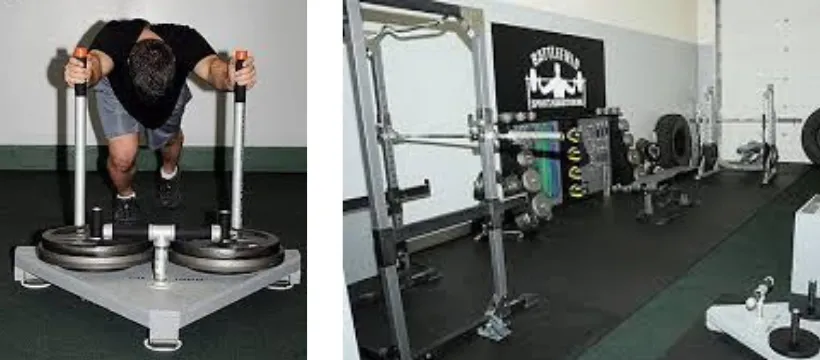
One item was a weighted push sled. I showed him a picture.
Most people would have asked where to buy one.
My grandfather looked at the photo for a few seconds and said:
"We can build that."
Within an hour, he had a drawing. Within two hours, we had materials.
Over the next two days, we built what eventually became known as The Bull.
It was a heavy wooden training sled with steel push bars and metal runners.
Neither of us had ever built one before. In fact, he had never even seen one in person.
As we worked, I remember asking him:
"Can this really hold the weight? Can we actually build something like this ourselves?"
He didn't hesitate.
"I don't think there's anything we can't build if we plan it right and give it our best try."
At the time, I thought we were talking about gym equipment.
Years later, I realized we weren't.
That philosophy defined almost everything my grandfather did.
I remember another day helping at my aunt's house. We were hanging mirrors on a wall.
They were slightly off and my grandfather was preparing to cut and adjust them so everything lined up perfectly.
My aunt told him it wasn't necessary.
"It looks okay."
He laughed.
"We don't want okay. We want right."
She still insisted it wasn't worth the effort.
Without thinking, I blurted out:
"But Kulavic's do it right."
Both of them stopped and looked at me.
My grandfather smiled, patted me on the head, and went back to work.
Looking back, I realize that moment wasn't about mirrors.
It was about standards.
Take pride in your work. Do things the right way.
Build something worth being proud of.
Those lessons would shape my life far more than I understood at the time.
My grandfather also gave me one piece of advice that would unexpectedly influence the rest of my life.
When I graduated high school, he asked me what I planned to do.
I told him I was going to college.
He said that was fine, but I still needed to work.
Then he suggested something I hadn't considered.
"Get a real estate license."
I remember being surprised.
He explained that throughout life, people always need housing.
People buy homes. Sell homes. Rent homes. Move homes.
A real estate license would always be useful.
It would help me save money. Help other people. And create opportunities.
Even if I never made it a full-time career.
At the time, it sounded like practical advice.
Years later, I realized it was much more than that.
The First Crack In The Plan
For most of my early adult life, I thought my future was already mapped out.
I attended college on an Army ROTC scholarship.
After graduation, I became an officer.
The plan was simple.
Serve twenty years. Earn a pension. Maximize retirement accounts. Build a comfortable life.
Financially, it was one of the easiest futures to forecast.
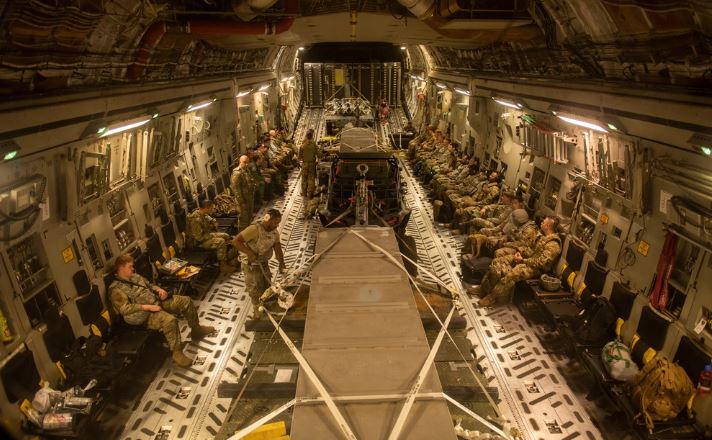
Then one day, sitting in the cargo bay of a C-17 on my way home from Afghanistan, a question entered my mind that changed everything.
The aircraft was cold, loud, and uncomfortable.
The seats were cargo nets stretched along the walls.
Most of the aircraft was filled with armored vehicles, equipment, and supplies.
There were fewer than twenty people onboard.
I sat there exhausted. The deployment had taken a toll. The work. The stress.
The constant separation from friends and family.
The endless cycle of preparing for the next mission.
As I stared into the cargo bay, a thought crossed my mind.
I wonder when I'll have to do this again.
Then another followed.
Do I really want to do this again?
It was the first time I had seriously questioned the future I had spent years building.
The Army wasn't the problem.
In many ways, it had given me exactly what it promised.
A meaningful career. Excellent benefits. Financial stability. A clear path forward.
The problem was that I no longer wanted the path.
After the deployment, I was scheduled to attend the next phase of career training.
Years earlier, I would have been excited.
Now I felt nothing.
I was mentally exhausted.
For the first time, I wasn't looking forward to the next assignment.
Or the next school. Or the next twenty years.
The crack had appeared.
I just didn't know what would replace it.
Looking For Another Way
For a while, I kept those thoughts to myself.
Most people looking at my life would have said everything was going according to plan.
Why would I walk away from a stable military career?
I wasn't even sure how to explain what I was feeling.
How do you tell people you're questioning a future everyone else thinks you should want?
So I kept searching quietly.
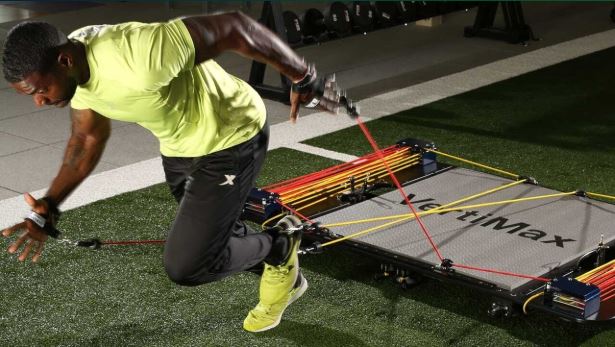
Then one day, I came across a sports performance coach on Facebook.
I didn't know him. I had never met him. But I remember feeling something unexpected.
Jealousy.
Not because of the money. Because he seemed to love what he was doing.
I had always loved sports.
I loved training. I loved teaching. I loved mentoring.
Watching him work forced me to ask a different question.
Not how do I make money?
But what kind of work would I actually enjoy doing?
That question opened a door that had never existed before.
I began reading everything I could find.
Business. Marketing. Entrepreneurship. Real estate.
At the same time, my brother was building a successful marketing company. Watching him create value and build something of his own expanded my thinking even further.
For the first time, I realized there were other ways to build a future.
Maybe I didn't have to choose from the options already in front of me.
Maybe I could create my own.
Looking back, I don't think I was really interested in sports training.
I was interested in possibility.
The Facebook post simply gave me permission to imagine a different life.
The Condo Crusade
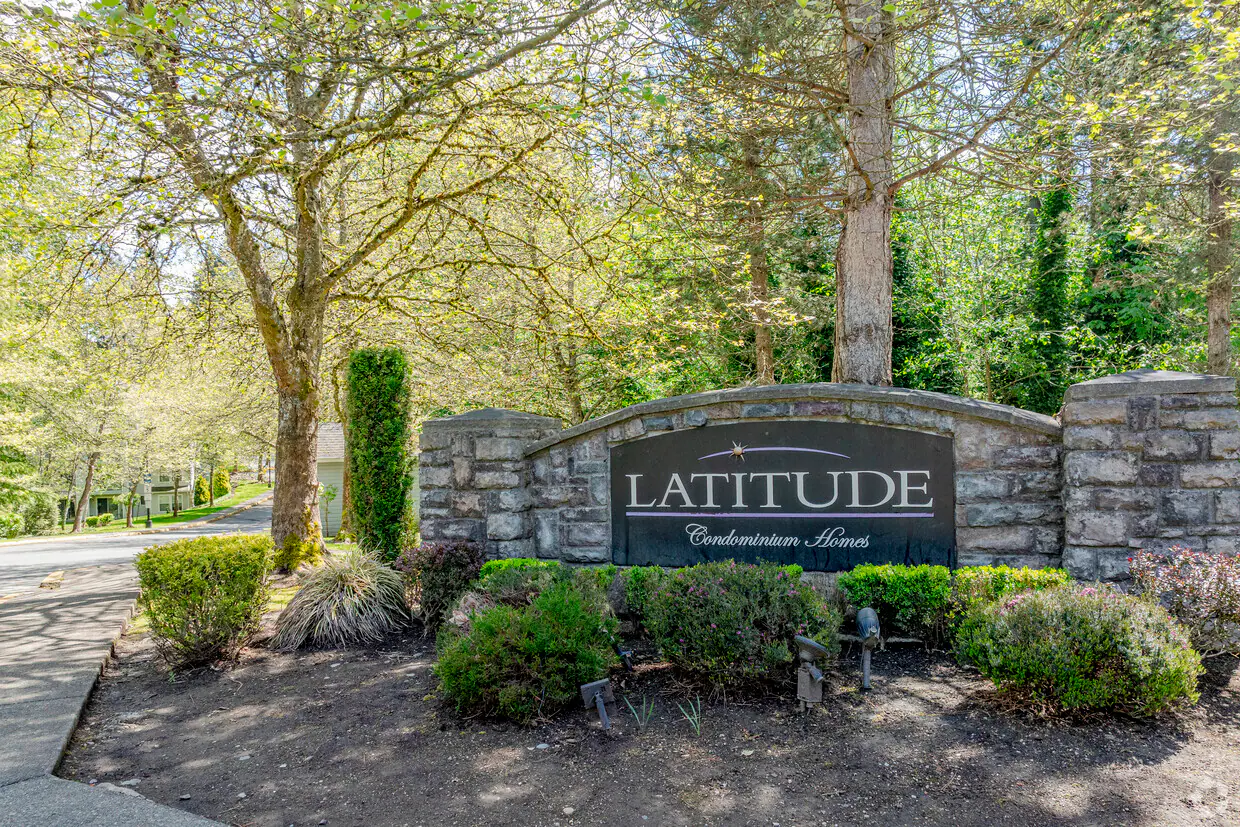
Real estate kept pulling me back.
Partly because of my grandfather. Partly because it felt tangible.
Practical. Real.
Eventually, I purchased a condo in Federal Way, Washington.
It was completely destroyed.
The floors needed replacement. The bathroom needed to be rebuilt.
Everything needed paint.
Night after night and weekend after weekend, I worked on that property.
When it was finally finished, I was proud of it.
Not because of the money.
Because I had built it.
For the first time, I felt like I had completed something my grandfather would appreciate.
Then everything seemed to fall into place.
I purchased the condo for roughly $110,000.
Invested another $20,000 into renovations.
And quickly secured a buyer around $175,000.
The projected profit was nearly half my annual Army salary.
For the first time, I thought I might have found another path.
Maybe I didn't need the Army.
Maybe I could build a future through real estate.
Maybe this was the answer.
Then the financial crisis arrived.
The buyer's escrow company filed for bankruptcy during closing. Funds were frozen.
The transaction stalled. The market began collapsing, which later became the 2008 housing crash..
Eventually, I received a phone call while standing in a gym.
The title company informed me that the buyer had signed an escrow release and was walking away.
The deal was dead.
At first, I was stunned.
A few hours later, frustration took over.
Then came a deeper feeling.
The future I had imagined was disappearing.
I remember thinking:
Now what?
Losing It All
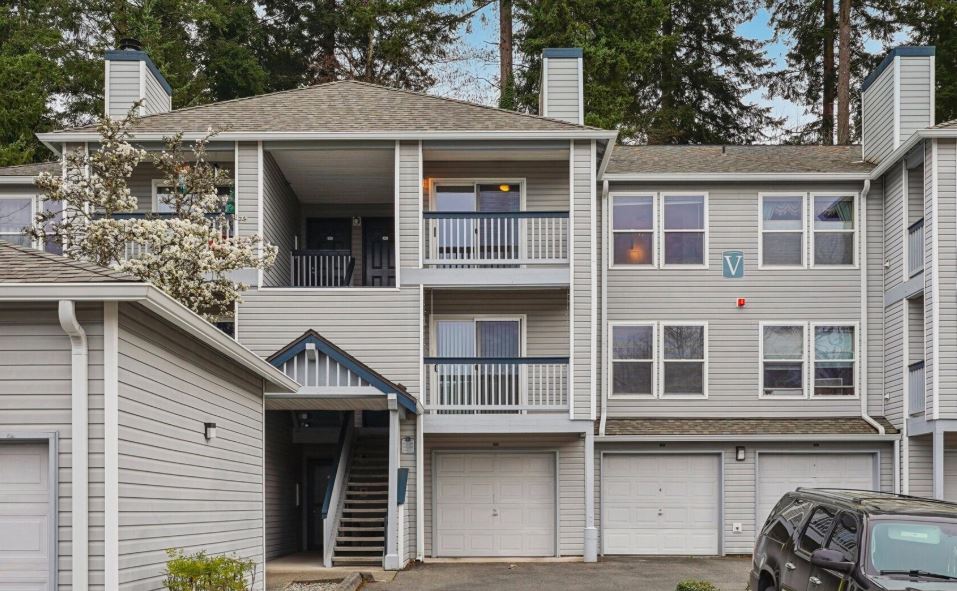
The years that followed were difficult.
I rented the condo. Covered monthly losses. Tried to keep everything afloat.
At first, I believed the market would recover quickly.
Then I believed I could simply wait it out.
Then I believed one more year might solve the problem.
Eventually, I ran out of runway.
I had moved out of the property by then.
For a period of time, I was paying rent where I lived while simultaneously covering losses on the condo.
When the tenant eventually moved out, the math stopped working.
The property had become a liability I could no longer carry.
The final day came quietly.
A representative from the bank met me at the property.
We walked through the unit together. He inspected the condition. Reviewed paperwork.
Asked a few questions. Then I signed the documents.
Accepted a small check through a Cash for Keys program.
And handed him the keys.
The entire exchange was professional. Efficient. Routine.
To him, it was probably just another file. Another appointment. Another property.
Then he turned and walked away.
I stood alone in a dark stairwell. Holding a check in one hand.
And feeling a hole in my chest.
For years, I had viewed that condo as my first real success.
Not because of the profit.
Because of the work.
The pride. The effort. The belief that I had built something meaningful.
The belief that maybe my grandfather would have been proud of what I had created.
Now it was gone.
I felt disappointed. Embarrassed. Ashamed.
My family would know. My friends would know.
I felt like I had failed.
For a long time, I carried that feeling.
But eventually I realized something important.
The condo didn't fail because real estate didn't work.
The condo failed because I didn't yet understand risk.
I hadn't planned for contingencies.
I had built a strategy that depended on everything going right.
The buyer. The market. The timing. The financing.
The more I reflected on the experience, the more I realized the problem wasn't real estate.
The problem was the plan.
That lesson would change everything that came afterward.
The Gate In My Rearview Mirror
What surprised me most is that I never gave up on real estate.
I didn't see the foreclosure as proof that real estate didn't work.
I saw it as proof that I had more to learn.
Mistakes are how people learn.
This one just happened to be expensive. Very expensive.
So I kept moving forward.
Eventually, the time came to leave the Army.
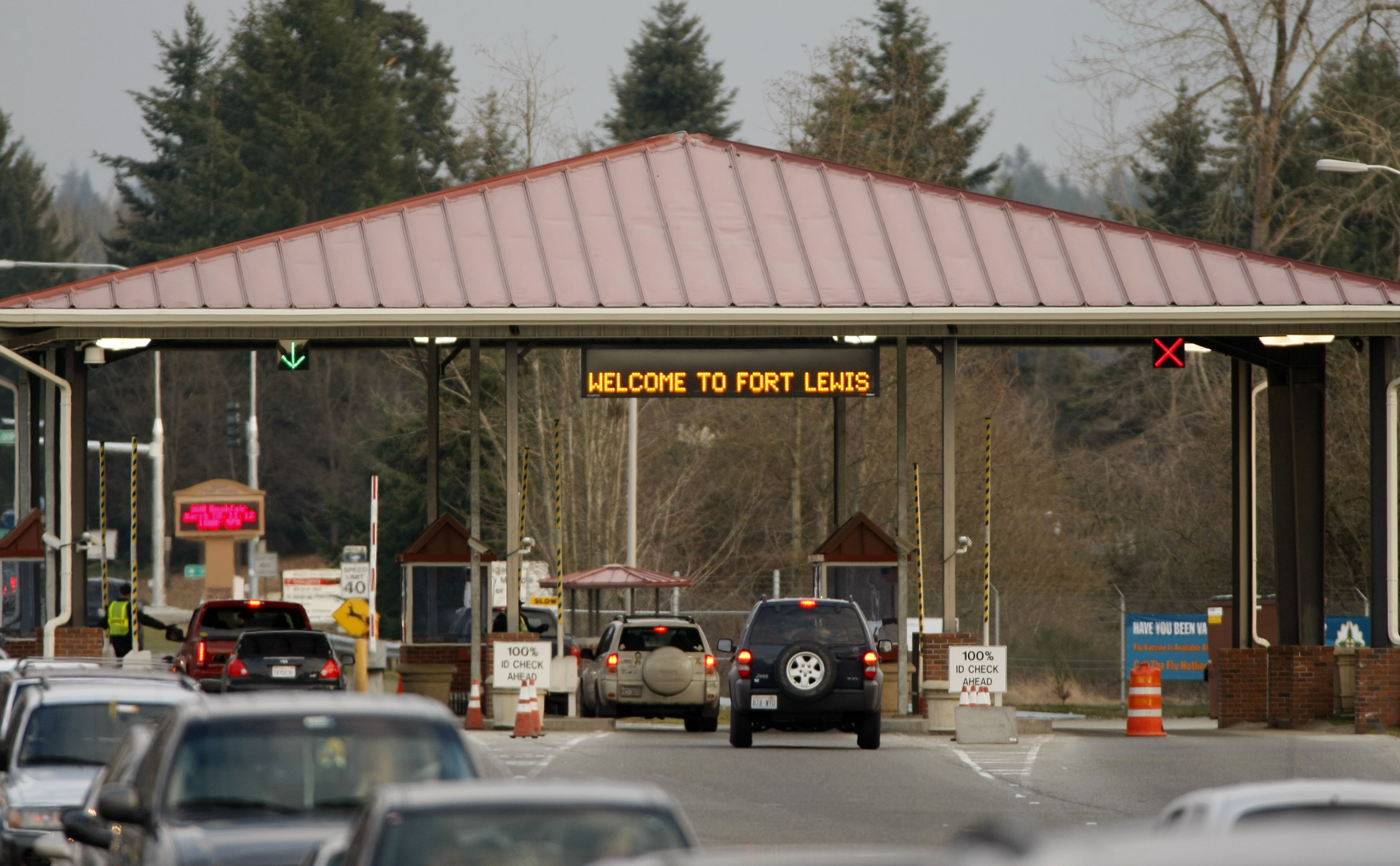
I left as a Captain at Fort Lewis, Washington.
Unlike retirement ceremonies or movie endings, there wasn't much fanfare.
No dramatic farewell. No crowd. No celebration.
Just paperwork.
At the final outprocessing office, a woman thanked me for my service and handed me my documents.
Then it was over.
Years of military service reduced to a few signatures.
I walked out to my car and started driving home.
I could have taken the fastest route.
Instead, I drove the long way.
I left through one of the back gates so I could take one final ride across the installation.
The roads were familiar. The buildings were familiar.
For years, this place had been my world.
The drive was quiet. No radio. No phone calls.
Just time to think.
When I reached the gate, I glanced into the rearview mirror.
I watched it grow smaller behind me.
And realized I would probably never pass through a military installation as a soldier again.
I felt relieved. Nervous. Excited. Terrified.
A chapter of my life had ended.
And for the first time, I would have to create my own plan.
I didn't know exactly what came next.
I only knew I was ready to find out.
Building My Own Future

Over the next several years, I started a youth sports conditioning program.
Eventually, that grew into the Indoor Youth Football League.
At the same time, I worked full-time and pursued my MBA.
Looking back, I have no idea how I managed all of it.
Every morning I went to work.
Every afternoon I ran the league.
Every evening I studied.
I was constantly moving. Constantly working. Constantly building.
The experience taught me an important lesson.
Income follows value.
The more value I created, the more opportunities appeared.
But I also learned that more income doesn't automatically create more freedom.
There were periods where I had a full-time job, a growing business, and graduate school all happening simultaneously.
I was exhausted. Relationships suffered. I felt trapped.
One afternoon, sitting at my desk at Keurig Green Mountain, I learned the company was being sold.
Months of interviews for a management position suddenly made sense.
The position was never truly being filled.
The company was managing numbers, not people.
I remember feeling disposable.
Like a pawn in someone else's game.
And that day I made a promise to myself.
I would never build my future around something I couldn't control.
Employment could be a tool.
A stepping stone. A means to an end.
But if I wasn't intentionally creating my own future, someone else would create one for me.
And I might not like where it led.
A Different Definition Of Success
Around that same time, I attended a local real estate meetup.
That's where I met a man who changed my life.
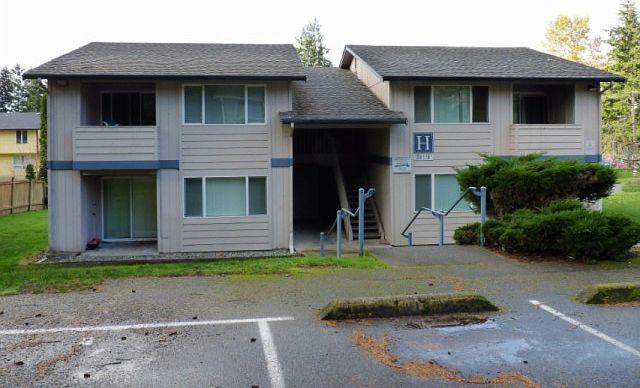
He owned a fourplex. The building itself wasn't impressive.
In fact, I was already living in a building remarkably similar to his.
What fascinated me wasn't the property.
It was him.
He seemed calm. Purposeful. Relaxed.
His housing was covered. The property generated income.
He worked consulting projects when he wanted.
Maintained the property when he didn't.
Nothing about his life was flashy.
Yet I couldn't stop thinking about it.
The simplicity was profound.
For the first time, I saw real estate not as an investment strategy.
But as a life strategy.
Most real estate conversations focus on scale.
More properties. More units. More doors. More leverage.
This was different.
One property. One simple life. One clear plan.
It wasn't glamorous.
It wasn't exciting.
But it worked.
And more importantly, it was understandable.
I left that conversation realizing I didn't need a real estate empire.
I needed a foundation.
That realization stayed with me for nearly eight years.
Eight Years Of Preparation
The challenge was that I couldn't act immediately.
The foreclosure had destroyed my credit.
I had years before another opportunity would realistically become available.
Most people would have stopped looking.
I became obsessed.
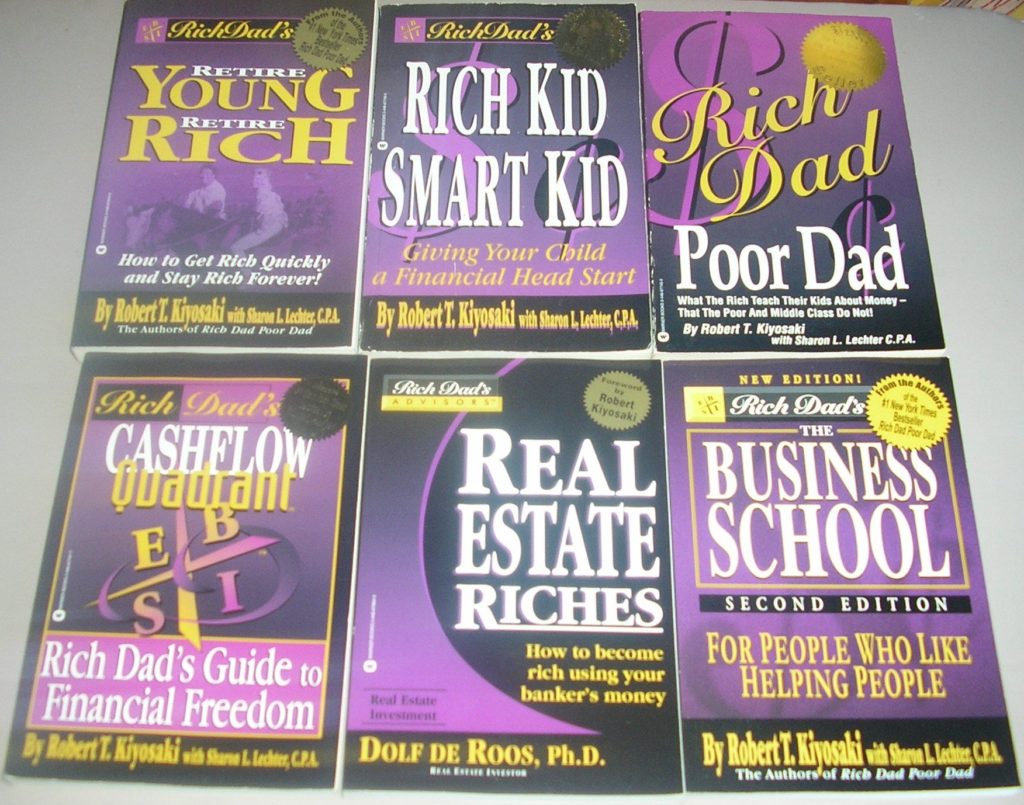
I bought books. Read forums.
Listened to podcasts. Analyzed properties.
Ran numbers. Studied markets.
I searched for deals I couldn't buy.
Not because I expected to purchase them.
Because I wanted the practice.
I wanted to sharpen my understanding.
I wanted to know exactly what I was looking for when the opportunity finally arrived.
For nearly eight years, I studied and prepared.
Not because I knew when the opportunity would come.
Because I knew it eventually would.
And when it did, I intended to be ready.
The Opportunity Arrives
Eventually, it did.
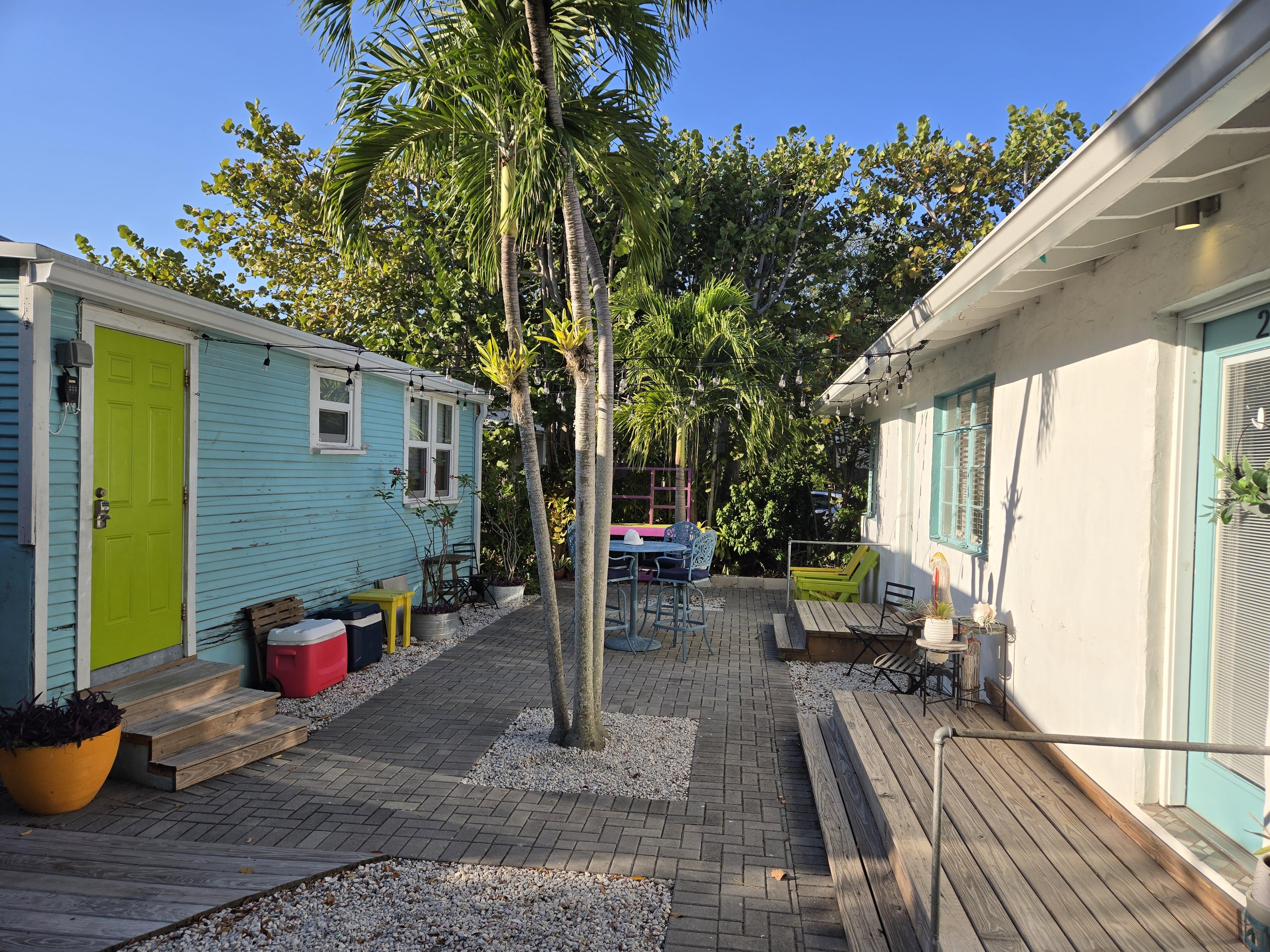
After several failed offers, I found a triplex in Florida.
One unit was occupied.
Another partially renovated.
A third had recently been destroyed by tenants.
Most buyers saw problems. I saw possibility.
The day my offer was accepted, I was sitting alone on the beach.
When the call came, I drove directly to the property.
Across the street was a church. I parked in the church parking lot and stared at the building.
For years, I had imagined this moment.
Three previous deals had fallen apart.
Two offers were rejected.
One was verbally accepted before a cash buyer appeared.
This one felt different.
I knew it needed work. I knew challenges were coming. I knew the property wasn't perfect.
But deep down, I believed it was the right one.
As I sat there looking at the building, I thought about the investor I had met years earlier.
I wondered if he still owned his fourplex.
I wondered if he had any idea how much that single conversation had influenced me.
For the first time in nearly eight years, I felt like my opportunity had finally arrived.
I was excited. I was nervous. I was ready.
And I knew the real work was about to begin.
The Real Work Begins
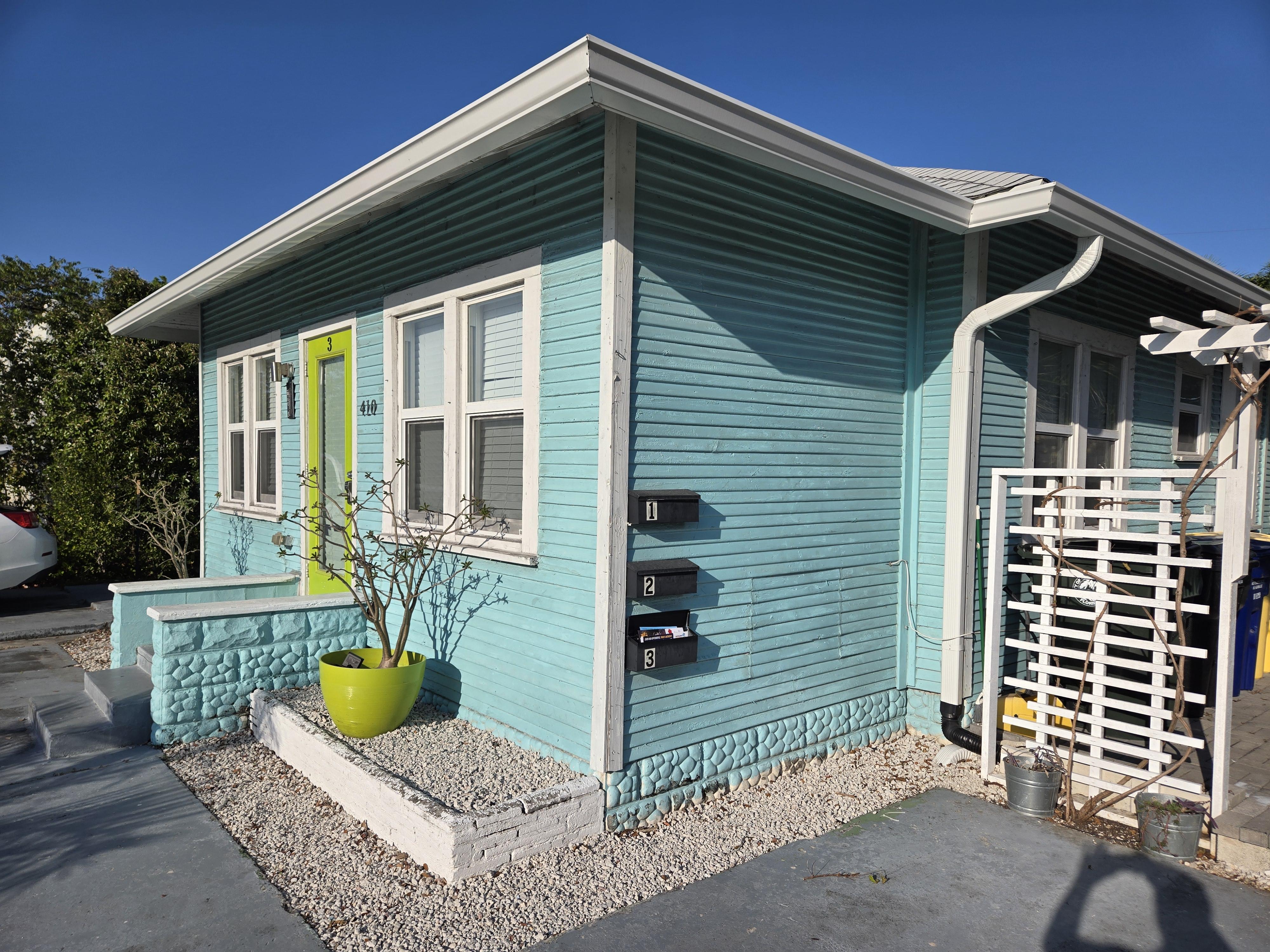
When the triplex finally closed, I didn't celebrate for very long.
I was living in a small studio apartment in Boca Raton at the time.
Almost everything I owned was already packed.
As soon as the closing was complete, I loaded my belongings into my vehicle and drove to the property.
Everything I owned fit into a single trip.
Within an hour, I was moved in.
The front unit was a four-bedroom, three-bathroom house.
For years, I had imagined living in a place like this.
Now it was mine.
The reality felt strangely different.
I was single. I didn't own much furniture.
There was no couch. No kitchen table. No decorations.
I put my bed in one bedroom.
My desk, television, and bookshelves in another room to create an office.
The rest of the house sat mostly empty.
That first night was incredibly quiet.
I remember sitting alone at my desk.
The rooms around me felt oversized. Almost hollow.
For years, I had imagined this moment.
The purchase. The ownership. The achievement.
I expected to feel overwhelming excitement.
Instead, I felt something closer to disbelief.
I kept looking around and thinking:
Is this actually real?
The property that had existed only in plans, spreadsheets, books, and conversations for nearly eight years was finally sitting around me.
But another thought kept interrupting.
What do I tackle tomorrow?
The years of preparation were over.
The real work was about to begin.
Doing It Right
The property wasn't perfect. I knew that when I bought it.
One unit had been heavily damaged by a previous tenant.
The roof was old.
The inspection suggested it had several years remaining, but leaks appeared within months.
An air conditioning system failed during the first year.
Unexpected expenses seemed to arrive one after another.
But something was different this time.
The condo had taught me lessons that only experience can teach.
This property wasn't built around appreciation.
It wasn't dependent on finding the next buyer.
It wasn't a speculative bet.
It was designed around cash flow, contingencies, and patience.
I could afford the entire payment myself if I needed to.
Even after closing and renovations, I still had six months of living expenses saved.
The property already had tenants paying rent from day one.
For the first time, I wasn't hoping everything would go right.
I was prepared if it didn't.
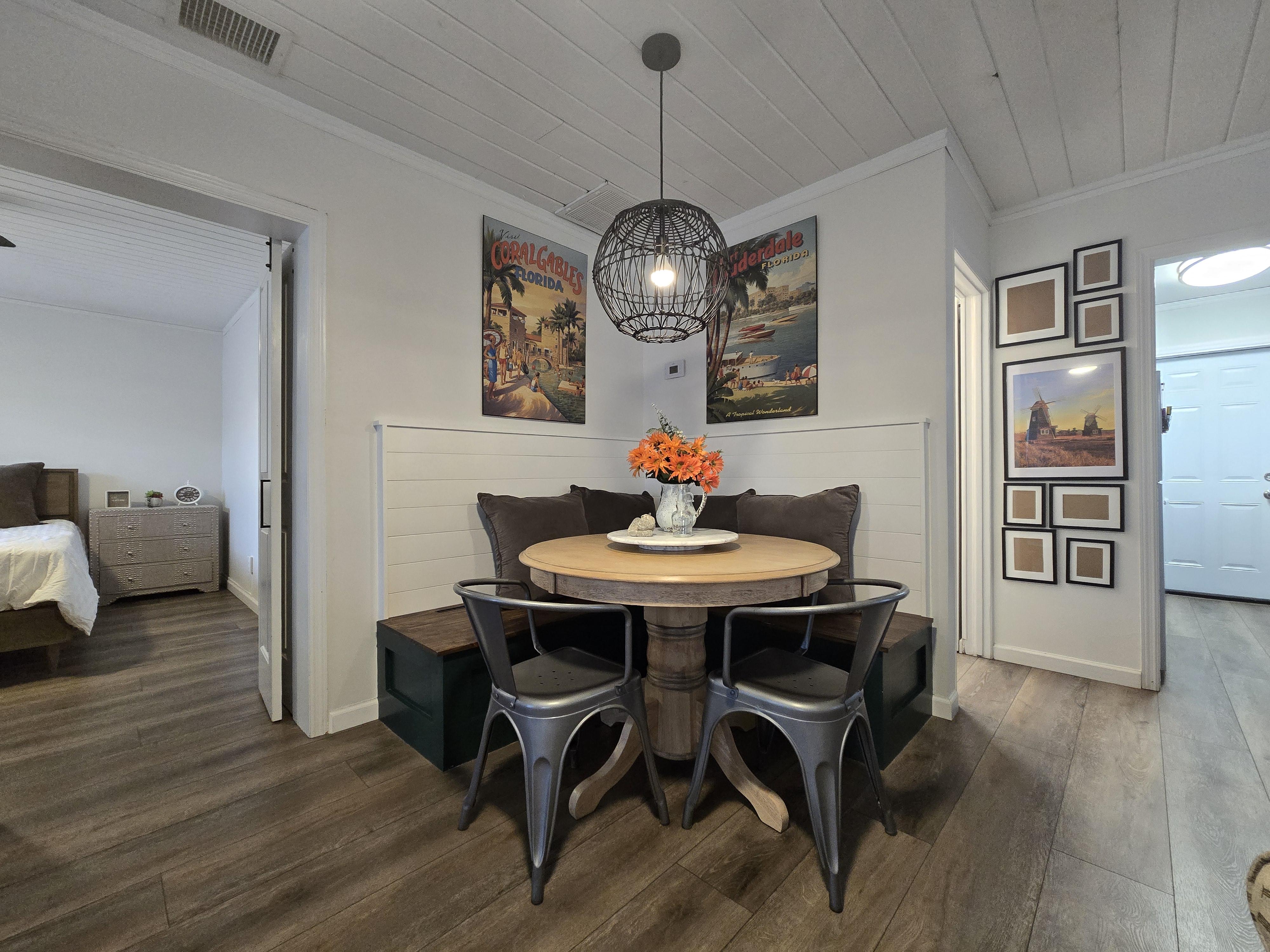
Little by little, I improved the property.
Unit by unit. Project by project.
Not chasing perfection.
But chasing the standard my grandfather had always talked about.
Not okay.
Right.
More Than A Property
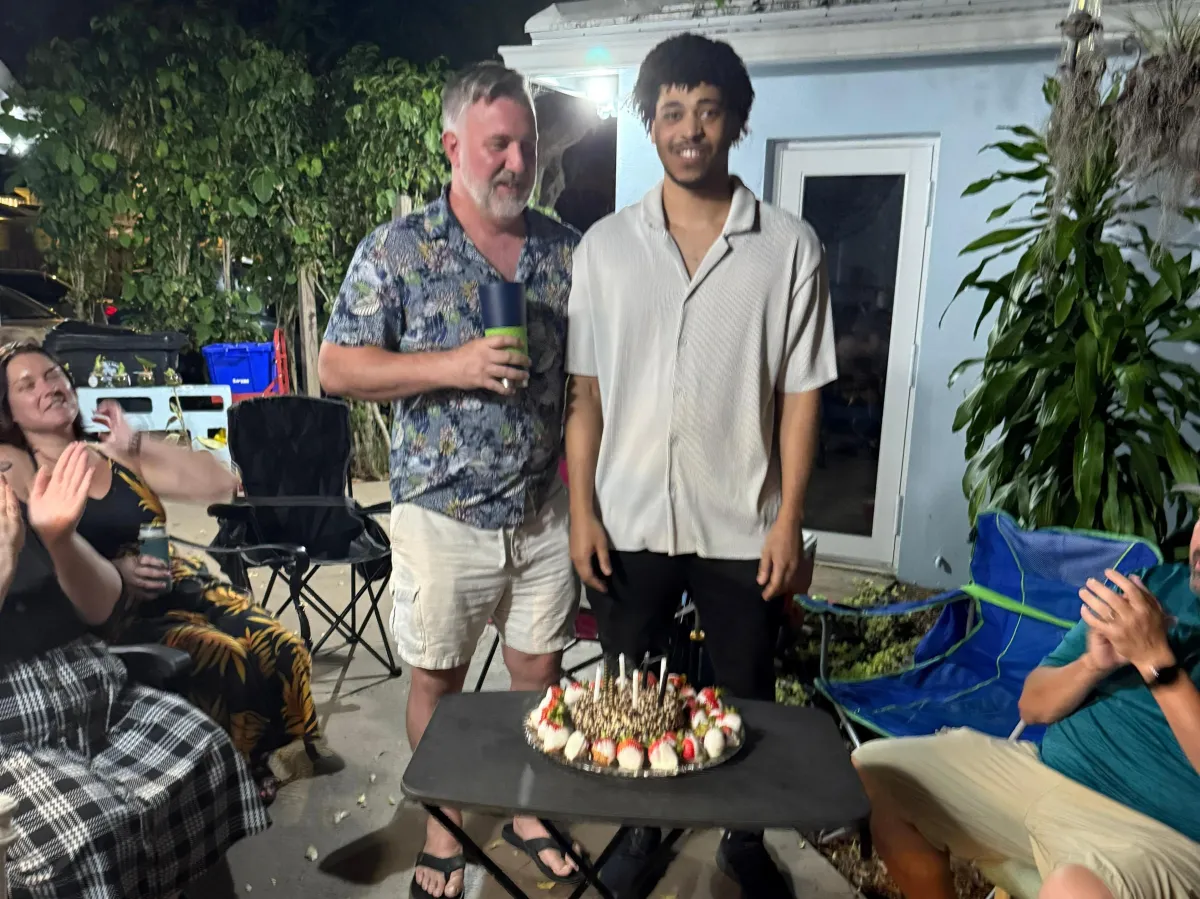
What surprised me most wasn't the financial stability.
It was the people.
The first renovated unit went to a friend from my kickball team.
The tenants who were already living on the property when I purchased it became friends as well.
We spent time together. I invited them to outings. Hosted gatherings. Built relationships.
Without realizing it, something unusual was happening.
The property was becoming more than a collection of rental units.
It was becoming a community.
Later, one of my closest friends was searching for a home.
We spent months looking for a house to buy. His lease was ending.
Time was running out.
I offered to rent him the main house and move into the studio apartment myself.
The arrangement was supposed to be temporary.
Years later, he's still there.
My parents lived on the property when they moved to Florida.
My girlfriend lived in one of the units for a bit.
Former tenants still call me when they need advice or help.
When units become available, people often recommend friends or family because they trust the environment we've built.
Little by little, the property developed its own culture.
Its own identity. Its own community.
The experience completely changed how I think about housing.
Most people view rental property as a financial asset.
And it is.
But it can become something more.
A place where people know one another. Support one another. Look out for one another.
A place where relationships form naturally.
A place that feels like home.
That community became one of the most rewarding parts of ownership.
Far more rewarding than any spreadsheet ever predicted.
Finally
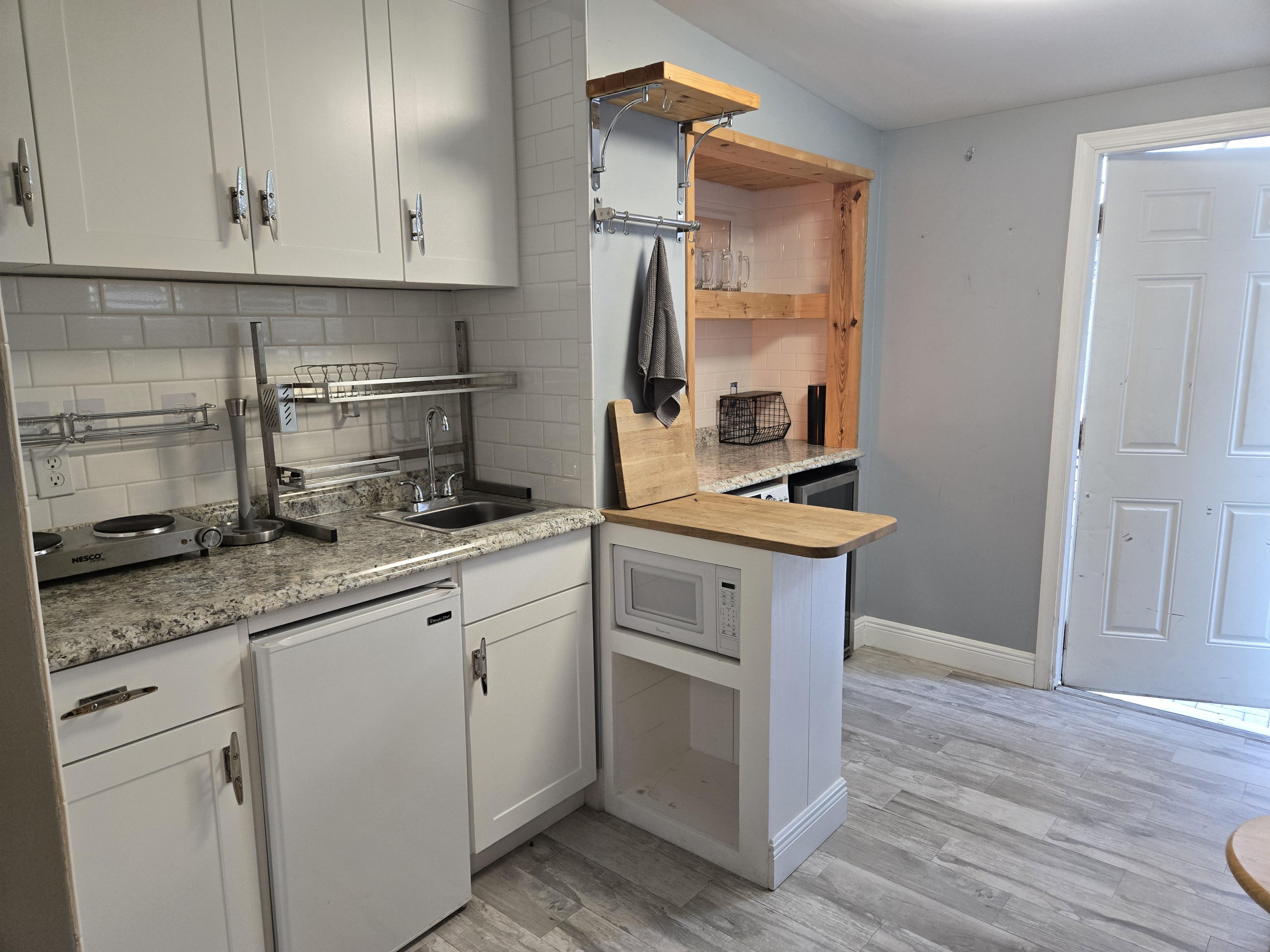
Years later, I was sitting at my desk in the studio apartment.
The same studio that had originally been intended for my parents.
It had now been my home for the last 2 years.
Business was slow.
Thirty days had passed since my last real estate closing.
I was stressed. Frustrated. Worried.
Bills were coming due and I didn't have much promising business in the pipeline.
I sat down at my computer and logged into my bank account.
I wanted to know how bad the situation was.
When the numbers appeared on the screen, I was shocked.
There was more than enough money.
At first, I thought I had made a mistake.
Maybe I had forgotten a bill. Maybe I had missed a payment.
But after digging through everything, I realized what had happened.
The property was covering my living expenses.
Not luxury. Not abundance.
Necessities.
Housing. Utilities. Food. Everything.
I leaned back in my chair. Took a deep breath. Smiled.
And thought:
Finally.
Not because I was rich. Not because I had achieved financial freedom.
Because after nearly ten years of searching, failing, rebuilding, studying, and waiting, it worked.
I finally had options. I finally had time.
I wasn't scrambling. I wasn't panicking. I wasn't wondering how I would survive next month.
For the first time in my adult life, I had breathing room.
And breathing room creates choices.
Why I Created Just One Property
For a long time, I thought the most important thing the property gave me was financial stability.
Looking back, I don't think that's true.
The stability mattered.
It reduced pressure. It created options. It gave me control over my future.
But something else happened that I never expected.
The property brought incredible people into my life.
Friends. Family. Neighbors. Community.
The relationships became more valuable than the rent.
The gatherings became more meaningful than the spreadsheets.
The memories became more important than the property itself.
Over time, I realized something.
Most people aren't trying to become wealthy.
They're trying to stop worrying. They're trying to create options.
They're trying to reduce the pressure that comes from depending entirely on the next paycheck, the next promotion, or the next opportunity.
That's what I found through purchasing Just One Property.
Not financial freedom.
Stability.
And stability created something even more valuable.
The ability to build a life on my own terms.
As I've reflected on that experience, I've found myself returning to the same question:
What can I share that might genuinely help other people?
I've always enjoyed leading, teaching, coaching, and mentoring.
In every role I've held, those were the responsibilities that energized me most.
When I looked back over my life, one accomplishment stood above everything else.
Not because of the money. Not because of the property.
Because of what it taught me.
And because of what it created.
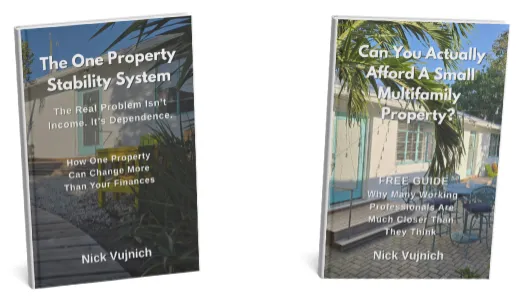
That's why Just One Property exists.
Not because I think everyone should buy a fourplex.
Not because I think real estate is the answer to every problem.
But because I believe there is a gap in how many people think about success.
We're constantly encouraged to pursue more.
More income. More status. More possessions. More consumption.
Yet some of the most meaningful improvements in my life came from moving in the opposite direction.
Reducing pressure. Creating stability. Building relationships. Becoming part of a community.
Creating a foundation strong enough to support a meaningful life.
The Goal Was Never The Property
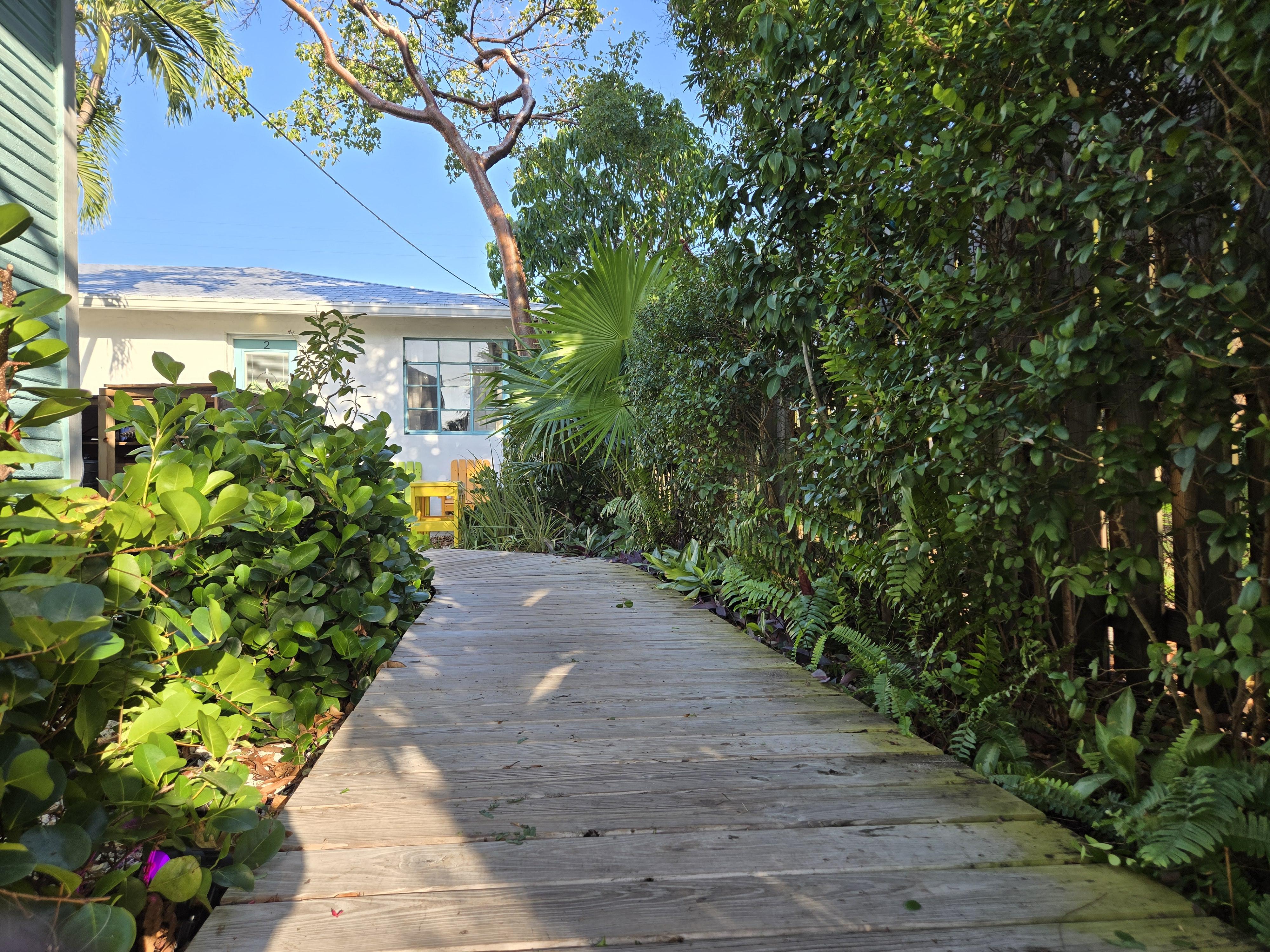
My grandfather spent his life building things.
Houses. Businesses. Rental properties. A legacy.
What I admired most wasn't what he built.
It was how he built it.
Patiently. Deliberately. With pride.
Always focused on doing things the right way.
Looking back, I realize the journey wasn't really about real estate.
It wasn't about a condo. Or a fourplex. Or rental income.
It was about building something worth being proud of.
The Army taught me discipline.
The condo taught me resilience.
Business taught me value creation.
The fourplex taught me stability.
The community taught me meaning.
Together, those lessons changed how I think about success.
Today, I believe success has less to do with wealth and more to do with control.
Control over your time.
Control over your choices.
Control over the direction of your life.
The property didn't make me rich.
It gave me options.
And those options allowed me to build a life I genuinely enjoy.
If sharing that lesson helps even a few people create more stability, stronger relationships, and a better future for themselves and the people around them, then this project will have been worthwhile.
Because in the end, the goal was never to own a property.
The goal was to build a better life.
Start Here
If you're new to my work, these are the best places to begin.
Read The Book
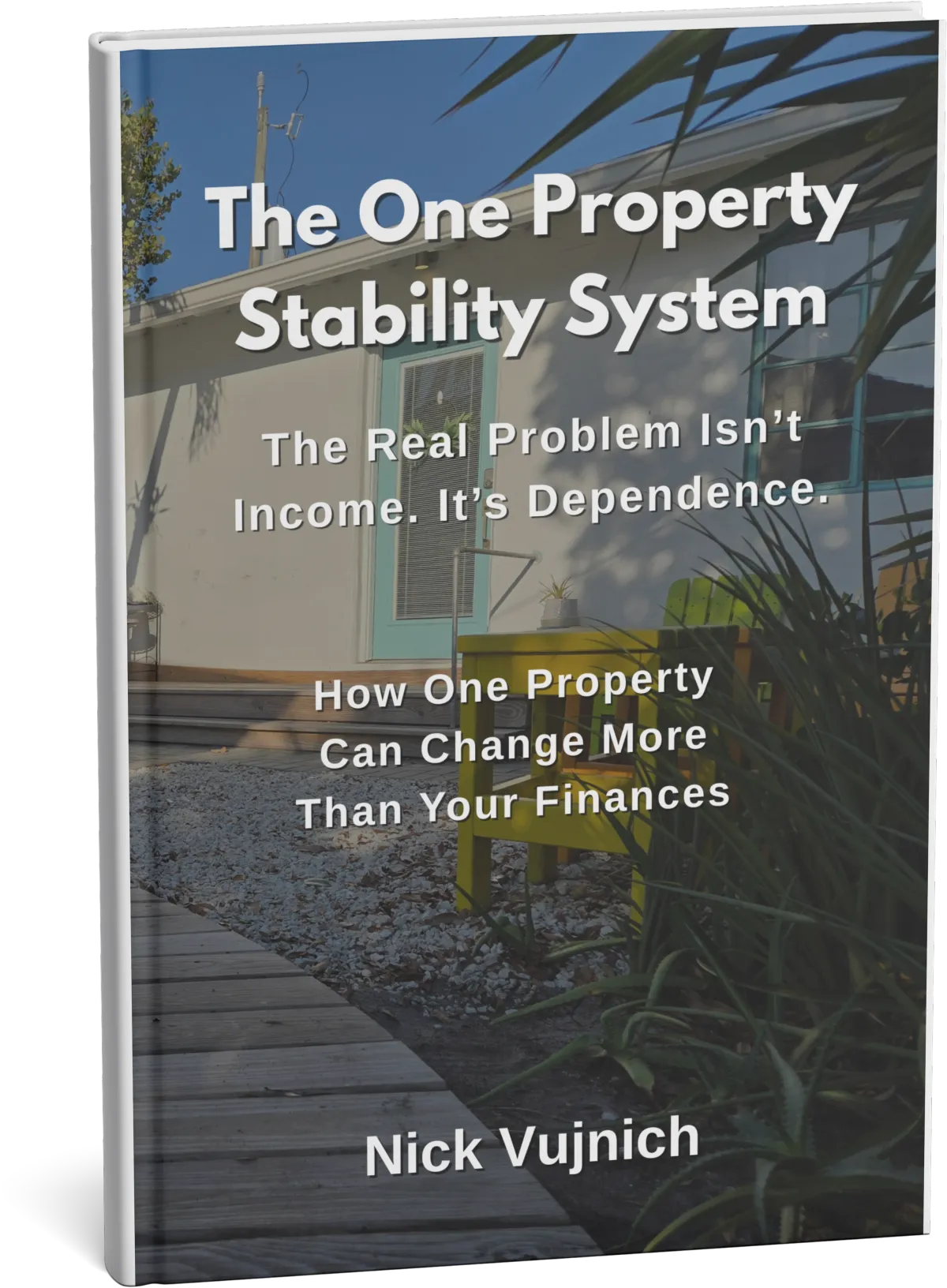
Learn how I used owner-occupied multifamily housing to reduce financial pressure, create recurring income, and build greater financial resilience.
Get Free Guide
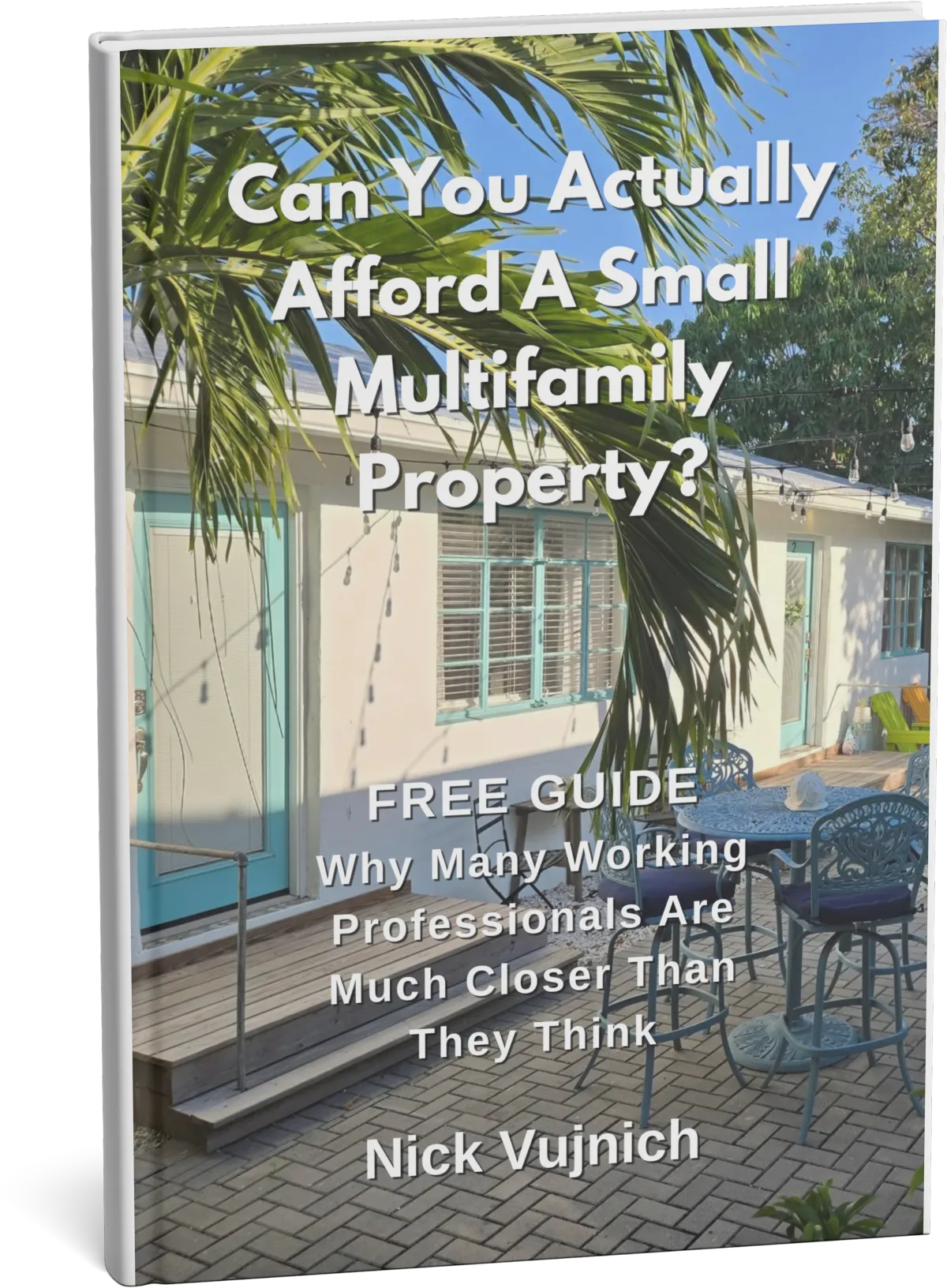
A practical introduction to the ideas behind housing, stability, and reducing dependence on a single paycheck using owner-occupied multifamily housing.
Explore The Ideas
Explore articles, interviews, and practical insights on stability, housing, financial resilience, and reducing dependence on a single paycheck through multifamily housing.
Privacy Policy | Terms | Copyright @ Nick Vujnich 2006
410 N Federal Highway, Lake Worth Beach FL 33460


